INDUSTRIAL EQUIPMENT & OEMs
Build demand across
your sales channels.
We help industrial equipment manufacturers reach distributors, integrators, end users, and downstream OEMs, present products clearly, and give every buyer an appropriate path to the next step.
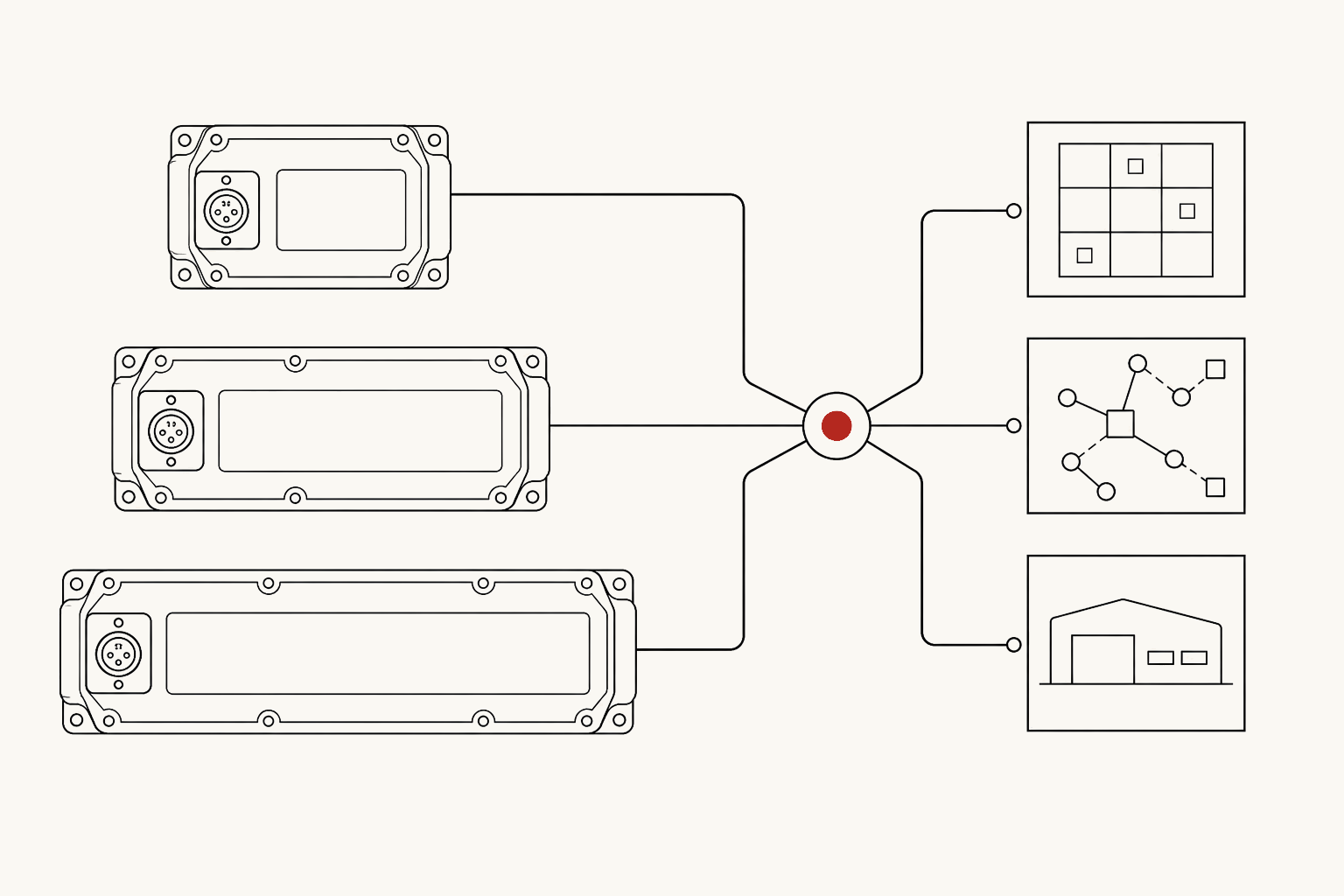
Help every buyer reach the right product and next step.
Distributors, integrators, end users, and downstream OEMs may need different product information, support, and next steps. We help make those paths clear while keeping your product story and channel relationships consistent.
| BUYERS | Distributors · integrators · end users |
|---|---|
| PRODUCT INFO | Specifications · applications · documents |
| MARKET REACH | Regions your company supports |
| INQUIRIES | Direct or partner path |
| SALES MODEL | Direct · channel · hybrid |
| DISCOVERY | Product · application · need |
| MEASUREMENT | Product interest · qualified inquiries |
| PRIORITY | Your target product lines |
COMMON GAPS
What can hold back product and channel demand
These common gaps can make industrial products harder for buyers and channel partners to discover, evaluate, or purchase.
- 01 BUYER ROUTES
Different channel audiences receive the same path.
Distributors, integrators, end users, and downstream OEMs may begin with different products, applications, specifications, or support needs. One general route makes buying harder for customers and partners.
- 02 PRODUCT INFO
Product information is difficult to use.
Engineers may need specifications and documentation, while purchasers compare configurations, availability, and commercial options. Disconnected product pages and PDFs slow both groups down.
- 03 PARTNER SUPPORT
Channel partners cannot find dependable sales support.
Current product information, downloadable resources, appropriate inquiry handling, and clear support paths help distributors and representatives respond consistently.
- 04 MARKET REACH
Regional growth creates a confusing buyer experience.
Language, units, product availability, regulations, service coverage, distributor territories, and search behavior may vary by market. Your digital presence should reflect the regions you can actually support.
HOW WE HELP
How we help equipment manufacturers compete
We make priority products easier to find and compare, help channel partners use consistent information, and give each buyer a clear next step.
- 01PRODUCTS
Make product selection easier
We help buyers move through product families, specifications, applications, configurations, related models, and supporting information with less friction.
BUILT FOR / Product familiesSpecificationsApplications - 02AUDIENCES
Give each channel audience a clear path
Distributors, integrators, end users, and downstream OEMs receive relevant information and next steps where their buying needs genuinely differ.
BUILT FOR / Partner buyersEnd usersIntegrators - 03PARTNERS
Help distributors represent your products
Current product information, useful sales resources, partner finders, and clear inquiry handling help the channel work from consistent information.
BUILT FOR / Product resourcesPartner supportInquiry paths - 04REGIONS
Support the markets you are ready to serve
When regional growth warrants it, your website can reflect language, units, availability, regulatory context, service coverage, and partner relationships accurately.
BUILT FOR / Regional contentAvailabilityMarket fit - 05DEMAND
Connect marketing with the right sales route
Search, content, paid media, and email can support relevant product demand while giving each inquiry an appropriate path to your team or channel partner.
BUILT FOR / Product demandBuyer routingChannel support
BUSINESS VALUE
What stronger equipment marketing should improve
The goal is to make priority products easier to discover and evaluate while giving direct buyers and channel partners a clear next step.
- Clearer productsBuyer understandingBuyers can connect product families, specifications, configurations, applications, and supporting documents in one usable path.
- Stronger channel pathsBuyer routingDistributors, integrators, end users, and downstream OEMs receive relevant information and a clear next action.
- Relevant visibilityProduct demandPriority products and applications are easier to discover in the markets and channels your company supports.
- Better inquiry contextSales follow-upYour team and channel partners receive clearer product, audience, geography, and buying-need information.
FREQUENTLY ASKED
Questions, answered
We first understand how direct and partner sales work today. Recommendations are designed to support established channel relationships, give each buyer an appropriate next step, and work within the territory rules and systems your company already uses.
NEXT STEP
Discuss the products and markets
you want to grow.
Tell us about your priority products, buyers, and channel relationships. We can discuss where product discovery, partner support, regional content, or inquiry paths need the most attention.