CUSTOM MACHINERY
Build demand for
specialized equipment.
We help custom machinery and automation builders reach plant engineering, operations, and automation teams, explain application value clearly, and create a stronger path to project conversations.
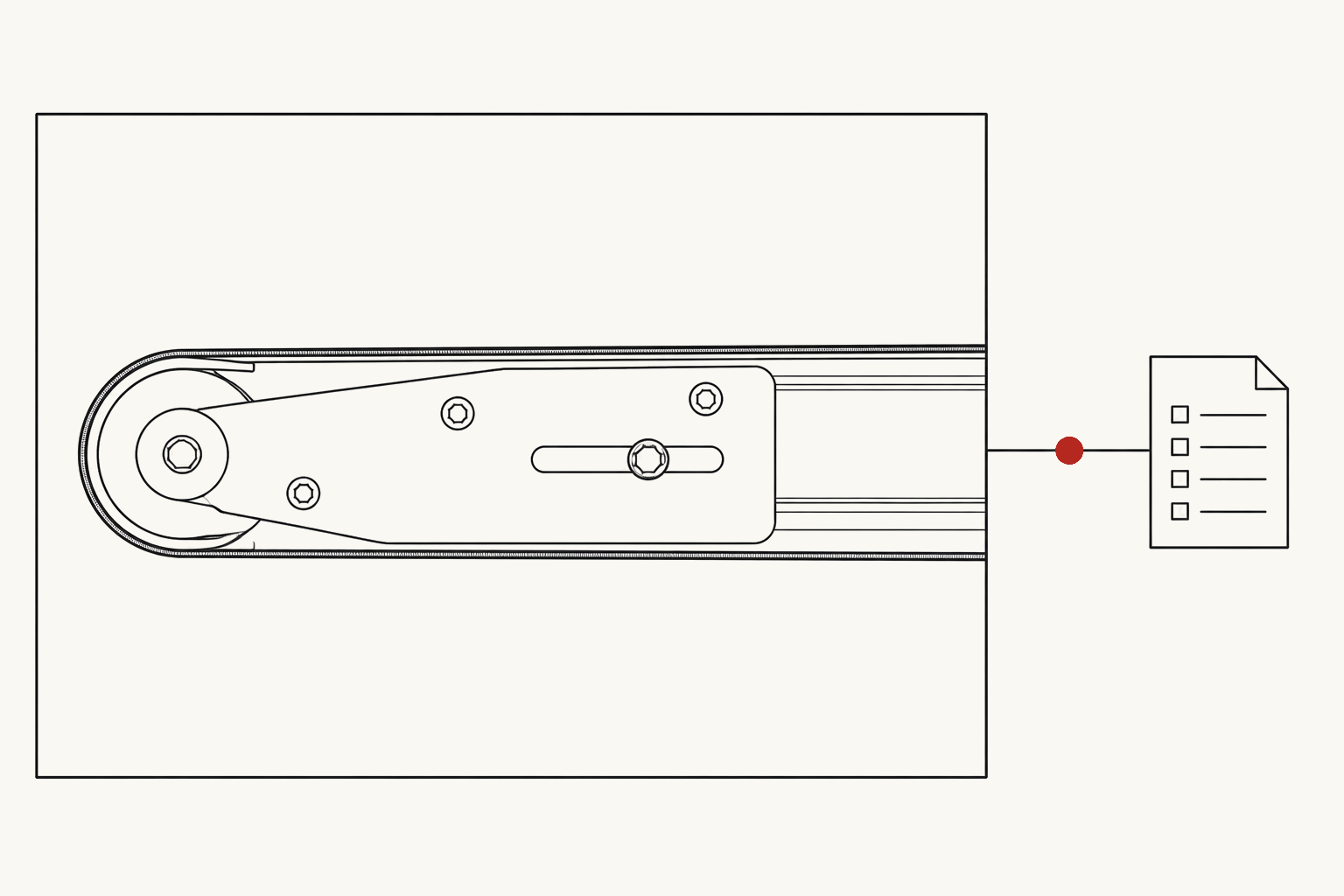
Help project teams move from a problem to a conversation.
Custom-equipment buyers need to connect an operating problem with application fit, technical confidence, group alignment, and an appropriate next step. We help your marketing support that decision with clear, relevant information.
COMMON GAPS
What can hold back better equipment opportunities
These common gaps can make a capable machinery builder harder for technical buyers to discover, evaluate, or contact.
- 01 DISCOVERY
Buyers search for the problem, not always the machine.
Plant teams may begin with an application, process, operating constraint, or desired result. Your website needs to connect those starting points to the equipment and engineering support you provide.
- 02 EVALUATION
Technical buyers need useful detail before they engage.
Application fit, engineering capability, integration needs, controls, safety, commissioning, and support all influence whether a project team starts a conversation.
- 03 BUYING TEAM
Each member of the project team needs a clear answer.
Engineering, operations, automation, maintenance, finance, and procurement may evaluate the same project from different perspectives. One general overview rarely supports them all.
- 04 NEXT STEP
An early-stage project has no obvious contact path.
A buyer may need an application discussion, feasibility review, budgetary guidance, or detailed project quote. Your website should make the appropriate next conversation clear.
HOW WE HELP
How we help machinery builders compete
We connect your machinery to the applications it serves, support technical buyer research, and make the next project conversation clear.
- 01POSITIONING
Connect your equipment to the problem it solves
We help buyers understand the applications, processes, operating constraints, and business needs your machinery or automation is designed to address.
BUILT AROUND / ApplicationsEngineering valueBuyer relevance - 02VISIBILITY
Reach buyers during technical research
Your search presence and content can make your company visible when engineering and operations teams research relevant equipment needs and applications.
BUILT AROUND / Relevant searchesTechnical contentMarket reach - 03CONFIDENCE
Give project teams enough detail to engage
Approved application information, integration context, technical resources, and clear contact paths help buyers decide whether a conversation is worthwhile.
BUILT AROUND / Application fitTechnical confidenceClear contact - 04BUYING CYCLE
Stay useful as the project develops
Relevant content and follow-up can keep your company visible while the buying group develops requirements, reviews feasibility, and secures internal support.
BUILT AROUND / Project stageUseful follow-upBuying team - 05DEMAND
Support priority markets with the right channels
SEO, selected paid media, content, and email can work together around the equipment, applications, and markets your company wants to develop.
BUILT AROUND / Channel fitPriority marketsQualified reach
BUSINESS VALUE
What stronger equipment marketing should improve
The goal is to help relevant technical buyers understand your application fit and start a better-informed project conversation.
- Clearer applicationsBuyer understandingTechnical buyers can connect their process or operating need to the equipment and engineering support your company provides.
- Relevant visibilityMarket reachYour company is positioned around the equipment needs, applications, and markets you are prepared to support.
- Stronger confidenceProject evaluationEngineering, operations, maintenance, and procurement can find useful information for their role in the decision.
- Better inquiry contextOpportunity qualityProject conversations begin with clearer application, timing, technical fit, and buying-stage information.
FREQUENTLY ASKED
Questions, answered
The most useful content helps buyers connect an application or operating need with your equipment and understand enough technical context to start a conversation. The right mix depends on your machinery, market, buying team, and the approved information available from your technical staff.
NEXT STEP
Discuss the equipment
and markets you want to grow.
Tell us what you build, which applications and markets matter, and how project conversations begin today. We can discuss where search visibility, technical content, or a clearer inquiry path would help most.