CONTRACT MANUFACTURING
Compete for the right
production programs.
We help build-to-print and contract manufacturers reach sourcing teams, present their production and quality strengths clearly, and create a stronger path to RFQs for repeat parts, assemblies, and programs.
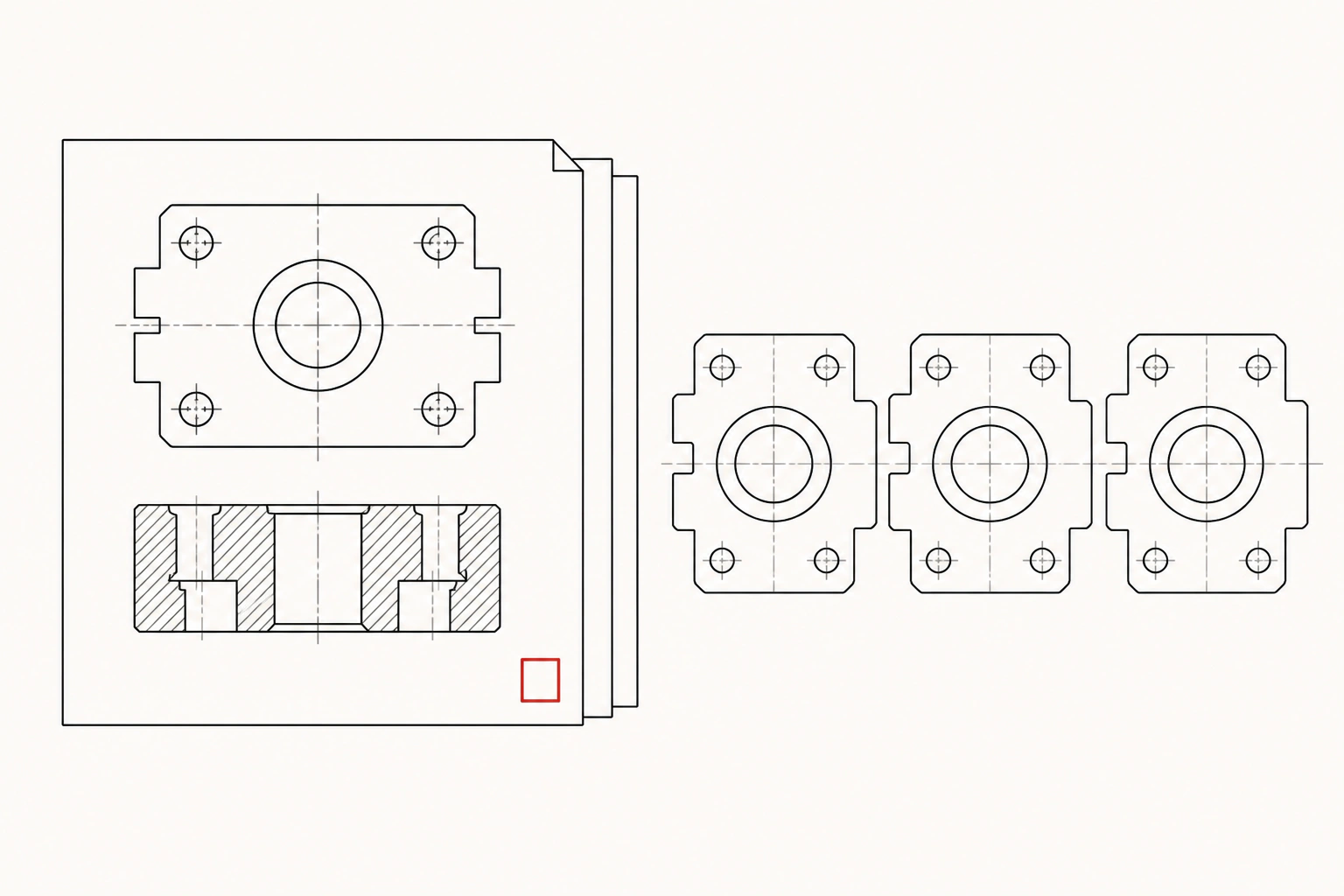
Help sourcing teams see why your company fits.
Sourcing teams evaluate the relationship as well as the process. We help make your production capabilities, quality systems, program experience, and inquiry path clear enough for both sides to recognize a useful fit.
- 01
Program
Prototype, bridge, repeat production, transfer, assembly, or another defined supply relationship.
- 02
Technical fit
Processes, materials, part profile, tolerances, outside operations, and production volume.
- 03
Quality fit
Certifications, inspection, traceability, documentation, and applicable regulatory requirements.
- 04
Commercial fit
Capacity context, onboarding, delivery expectations, communication, and program continuity.
COMMON GAPS
What can hold back better production opportunities
These common gaps can make a capable contract manufacturer harder for sourcing teams to find, evaluate, or contact.
- 01 SUPPLIER FIT
A generic shop page cannot qualify a production partner.
Sourcing teams need to understand your processes, materials, volumes, quality systems, documentation, and delivery fit. A broad equipment list does not answer the full supplier question.
- 02 PRODUCTION FIT
Capabilities lack the context buyers need.
Procurement and engineering teams evaluate more than one process. They also need material, part profile, volume, assembly, supported outside operations, and production-transfer context.
- 03 QUALITY
Quality strengths are difficult to verify.
Relevant certifications, inspection capabilities, traceability, documentation, and quality systems should be easy to find alongside the programs they support.
- 04 INQUIRY
Different production opportunities receive the same path.
A prototype RFQ, a production transfer, and a repeat supply program involve different needs. Your website should help each buyer provide useful context from the first inquiry.
HOW WE HELP
How we help contract manufacturers compete
We help sourcing teams find your production capabilities, understand your quality fit, and begin a better-informed RFQ for the programs you want.
- 01CAPABILITIES
Make production fit easier to understand
We help sourcing teams connect your processes, materials, part profiles, volumes, assembly capabilities, and quality requirements to the programs you want to win.
BUILT FOR / Process rangeProgram fitProduction context - 02QUALITY
Build confidence in your quality systems
Accurate certification, inspection, traceability, and documentation information is placed where engineering and sourcing teams need it during supplier evaluation.
BUILT FOR / CertificationsInspectionDocumentation - 03RFQ PATH
Create a more useful path to RFQ
We improve the inquiry experience so buyers know what information is useful and your team receives better context for an initial program review.
BUILT FOR / RFQ guidanceFile handlingUseful context - 04BUYING CYCLE
Stay useful during a longer evaluation
Relevant content and follow-up help your company remain visible while engineering, quality, procurement, and operations evaluate a potential supplier relationship.
BUILT FOR / Buyer supportRelevant follow-upProgram information - 05EXPERIENCE
Show production experience without naming clients
Approved program context can help buyers recognize relevant experience while keeping customer identities, drawings, and confidential details private.
BUILT FOR / Program contextProduction examplesConfidentiality
BUSINESS VALUE
What stronger contract manufacturing marketing should improve
The goal is to help relevant sourcing teams understand your production fit and start a better-informed RFQ conversation.
- Clearer program fitBuyer understandingSourcing teams can distinguish prototype, bridge, repeat production, assembly, and transfer capabilities before they contact you.
- Stronger confidenceSupplier qualificationCapabilities, certifications, inspection, documentation, and supported operations form one clear evaluation path.
- Better RFQ contextOpportunity qualityBuyers can provide the files, volumes, timing, quality needs, and production context required for a useful first review.
- Relevant visibilityTarget program demandYour company is positioned around production opportunities that match the programs and relationships you want to develop.
FREQUENTLY ASKED
Questions, answered
We focus on the outsourced-production relationship, not one process alone. Your marketing needs to help sourcing teams evaluate processes, materials, volumes, quality systems, documentation, and the wider fit required for a repeat production partnership.
NEXT STEP
Discuss the production work
you want to win.
Tell us about your processes, quality systems, target volumes, and preferred programs. We can discuss how clearer supplier information, relevant visibility, and a better RFQ path could support those opportunities.