METAL FABRICATION
Attract fabrication work
that fits your shop.
We help custom metal fabricators reach the right buyers, explain their actual work mix and production strengths, and create a stronger path to qualified project inquiries.
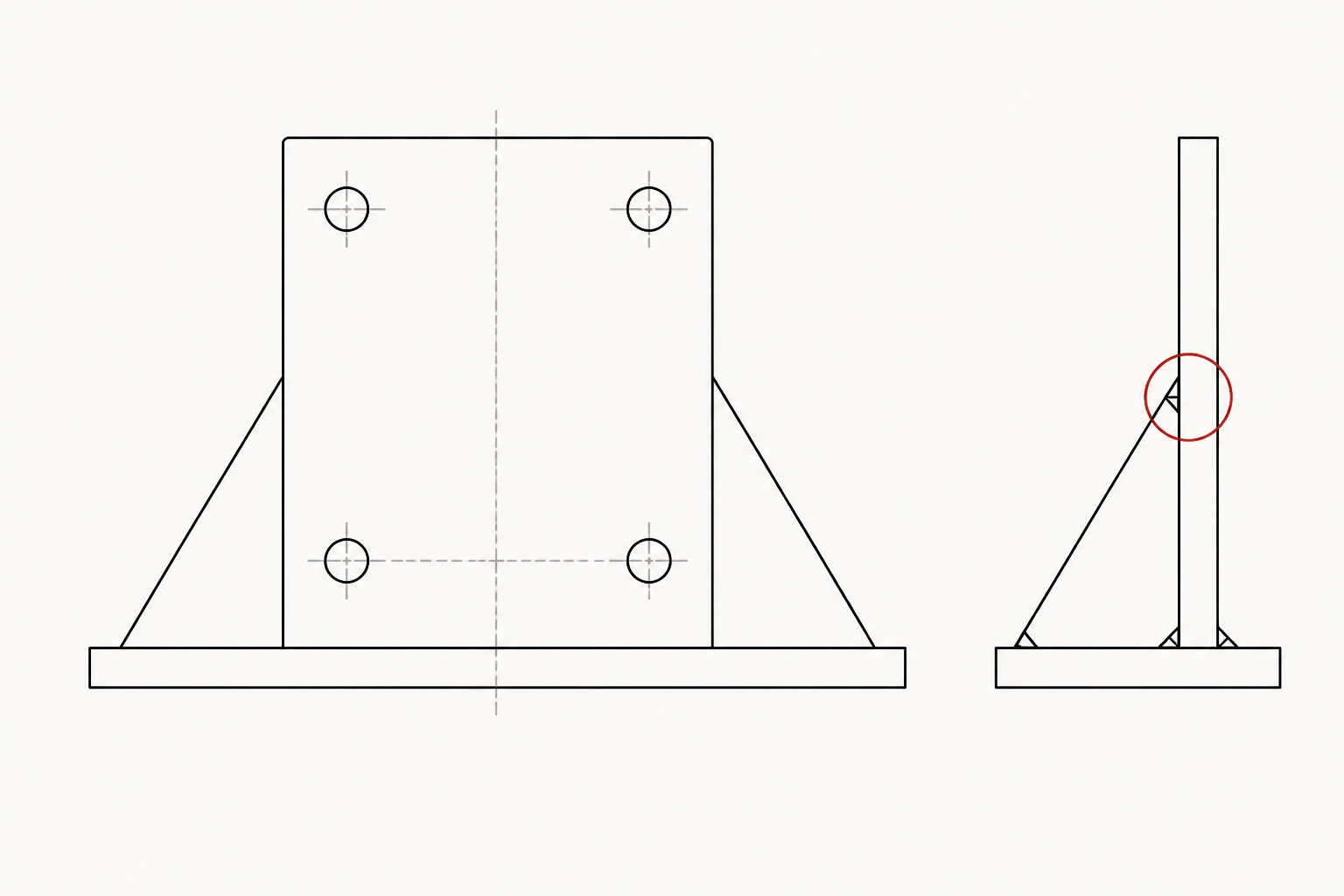
Turn strong project work into buyer confidence.
Strong imagery earns attention. We help buyers understand whether your shop fits their material, process, size, quality, geography, production needs, and project type before they take the next step.
- PROCESS
- Cut · form · weld · assemble
- MATERIAL
- Type · thickness · finish
- PROJECT FIT
- Size · volume · service area
- QUALITY
- Certification · inspection · documentation
COMMON GAPS
What can hold back better fabrication inquiries
These common gaps can make a capable fabrication shop harder for the right buyers to find, evaluate, or contact.
- 01BUYER CHECK Market fitWHEN UNCLEAR Work types blend together
Buyers cannot tell which fabrication work fits your shop.
A sourcing lead may need formed sheet metal, plate work, a structural assembly, or a repeat weldment. A general fabrication page can hide the specific work your team wants.
- 02BUYER CHECK Technical fitWHEN UNCLEAR Capabilities stay general
A service list does not explain your real capability.
Buyers need useful context about materials, processes, equipment, size range, tolerances, inspection, certifications, and the production conditions your team supports.
- 03BUYER CHECK Project contextWHEN UNCLEAR Photos lack meaning
Your strongest work is buried inside a generic portfolio.
Project photos become more persuasive when buyers can understand the material, process, scale, quality requirements, service area, and type of work represented.
- 04BUYER CHECK Inquiry pathWHEN UNCLEAR Project context is lost
Different fabrication buyers receive the same path.
A local project, a regional fabrication program, and a repeat weldment order involve different needs. Your website should help each qualified buyer reach the right next step.
HOW WE HELP
How we help your fabrication shop compete
We adapt the marketing to the work your shop actually performs, then improve how buyers find, understand, and inquire about those capabilities.
- 01
Focus on the fabrication work you want
We align your marketing with the processes, materials, project profiles, production volumes, service area, and buyer markets your shop wants to grow.
BUILT AROUND / Work mixMarket fitService area - 02
Make your capabilities easier to evaluate
We help buyers move from a relevant process or project type to the material, equipment, size, quality, and capacity information they need.
BUILT AROUND / CapabilitiesTechnical contentBuyer clarity - 03
Use project work to build confidence
Relevant project context can demonstrate your experience without publishing customer identities, confidential details, or unsupported claims.
BUILT AROUND / Project contextQualityProduction fit - 04
Reach buyers with relevant fabrication needs
SEO and selected paid campaigns can improve visibility for the processes, materials, project types, and geographies your shop supports.
BUILT AROUND / Relevant searchesProject fitGeography - 05
Create a stronger path to inquiry
We make it easier for qualified buyers to understand what information is useful and start the right conversation with your team.
BUILT AROUND / RFQ guidanceUseful contextFollow-up
BUSINESS VALUE
What stronger fabrication marketing should improve
The goal is to make your shop easier for relevant buyers to discover, understand, and contact with a credible project.
- Clearer capabilitiesBuyer understandingBuyers can distinguish your sheet, plate, structural, weldment, and assembly capabilities and see where their work fits.
- Relevant visibilityMarket reachYour shop is positioned around the processes, materials, project types, and service areas you want to develop.
- Stronger confidenceProject credibilityProject work is supported by useful material, process, quality, size, and production context.
- Better RFQ contextInquiry qualityQualified buyers can provide more of the project information your team needs to assess fit and respond productively.
FREQUENTLY ASKED
Questions, answered
We connect project imagery with clear information about processes, materials, equipment, size range, inspection, certifications, capacity, and the work you want to pursue. Buyers can evaluate fit without needing customer names or confidential project details.
NEXT STEP
Discuss the fabrication work
you want to win.
Tell us about your processes, materials, project mix, and service area. We can discuss whether the first priority is clearer capability pages, better project context, relevant search visibility, or a stronger inquiry path.